

Apple and Brazil Clash Over iPhone NFC Control
Hey Payments Fanatic!
Who should control the tap on your phone?
That’s the real question playing out in Brazil right now...
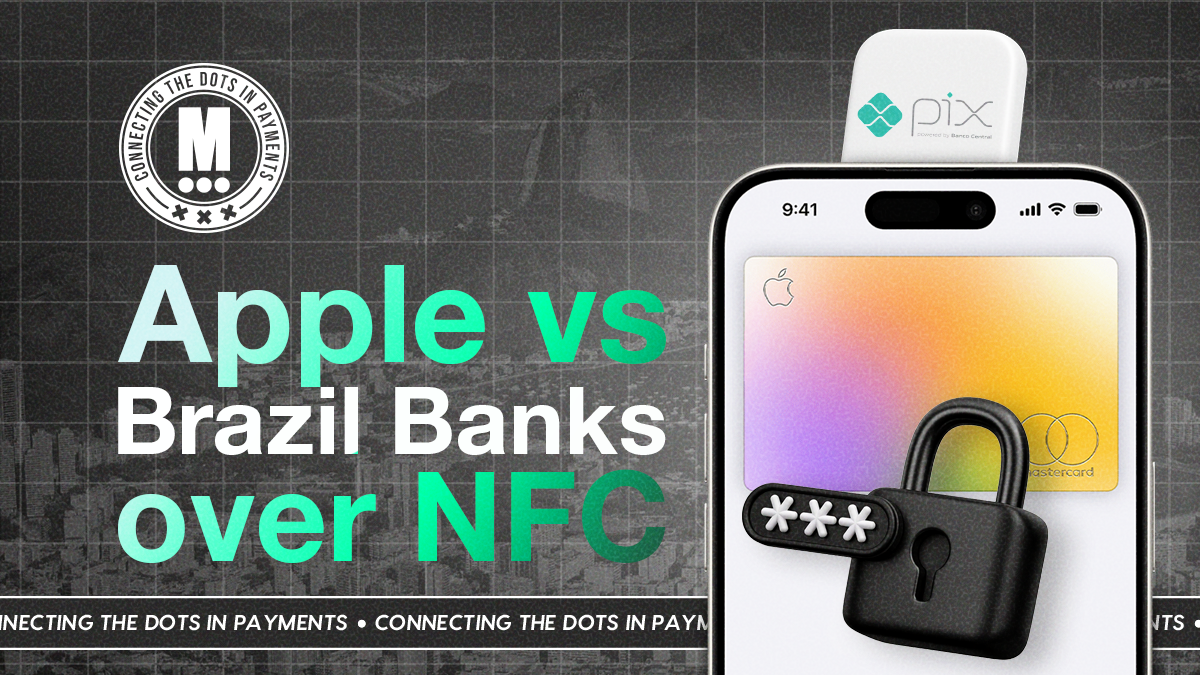
Apple is facing pressure from Brazilian regulators and local banks over access to the iPhone’s NFC payment functionality.
The country’s antitrust authority, Administrative Council for Economic Defense (CADE), is examining whether Apple’s model, charging banks and payment processors per transaction for NFC access, is anti-competitive.
Brazilian banks argue they shouldn’t have to pay to use NFC for their own payment solutions. Apple’s response? They’re asking for a “free ride” on proprietary technology. Apple says it’s about security, privacy, and user experience.
The tension comes as Brazil’s instant payment system Pix begins shifting from QR-based payments toward NFC. Google already enables broader NFC access on Android. On iPhone, it’s different.
And this is exactly the kind of debate that keeps surfacing across markets. Who controls the rails? Who sets the economics? And how far should regulators go?
Those conversations are happening everywhere right now: Brazil, Europe, the US.
My friend Arthur Bedel, Co-Founder of Connecting the Dots in Payments, will be in Berlin during MPE 2026 (March 17–19, InterContinental Berlin), recording podcast conversations with operators across the ecosystem.
If you’re navigating expansion, licensing, A2A, device control, stablecoins, or performance battles like this one, it’s a good moment to sit down and share what you’re seeing:
Now, let’s look at what else is moving in Payments today 👇 I'll be back tomorrow with what's shaking up the industry.
Cheers,
INSIGHTS
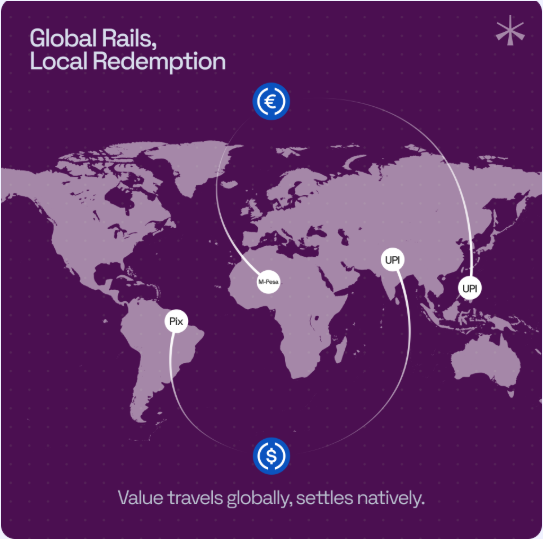
📰 Breaking Down Borders: The Rise of Interconnected Global Payments Networks by Noah. In this article, the firm argues that while domestic systems have made national payments instant and low-cost, cross-border transfers remain slow and expensive. It suggests the next phase of payments will connect these siloed networks using stablecoins and blockchain as a neutral settlement layer. Read the full article here
NEWS
🇳🇿 Mastercard completes New Zealand’s first authenticated agentic transactions with Westpac. By enabling fully recognized and authenticated agentic transactions, Mastercard’s trusted agentic framework process brings AI agents into the payment flow as visible, governed participants, ensuring that every transaction is secure, transparent, and trusted.
🌍 DashDevs’ FinTech core expands global footprint across Europe and APAC. Built from more than a decade of hands-on delivery in regulated FinTech, FinTech Core is a composable, production-ready platform designed to help FinTechs and financial institutions launch faster, without locking into rigid, one-size-fits-all systems.
🇧🇷 Brazil banks want 'free ride' access to iPhone NFC payments. The Administrative Council for Economic Defense in Brazil has been pursuing Apple on antitrust claims surrounding the App Store. The result was alternative app stores and external payment methods coming to Brazil, but now Apple's NFC rules are under fire.
🇮🇳 PhonePe leverages Microsoft AI to launch voice and text payment features for users. Powered by Microsoft’s Azure OpenAI Service, the tools aim to enhance accessibility and reduce navigation friction in digital payments. Keep reading
🇫🇷 Worldline unveils One Commerce, powering the Next Generation of Omnichannel retail. By unifying in-store and online payments within a single continuous experience, merchants will gain full control to design ecosystems tailored to their customers’ evolving expectations.
🇺🇸 Tether’s USDT set for biggest monthly retreat since FTX collapse. The total amount of Tether’s USDT in circulation has fallen by about $1.5 billion so far in February, according to Artemis Analytics. The drop follows a smaller contraction in January and puts the stablecoin on track for its biggest monthly decline since December 2022.
🇲🇽 FinTech EFEX raises US$8M in a seed round to consolidate its global treasury platform in Mexico and the US. This new investment will accelerate the integration of Artificial Intelligence (AI) across its operational infrastructure and further simplify treasury workflows for companies transacting in both countries.
🇩🇪 Verifone and Unzer deepen partnership to simplify in-store payments. The partnership aims to make in-store payments faster, easier, and more seamless. Together, the companies offer merchants a full payment ecosystem that goes beyond the terminal.
🇰🇾 WalletConnect recruits Checkout.com Veteran Riaz Bordie to take crypto payments mainstream. Bordie will drive the technical development of WalletConnect Pay, the company’s payment method that allows the acceptance of crypto and stablecoin payments on a widely adopted wallet network, and the integration of that product into existing payment service provider payment stacks.
🇬🇧 Finseta appoints Andrew Richards as CFO. Andrew Richards has been serving as Interim CFO of the company since 6 February 2026 and brings 25 years of experience, primarily within the financial services and insurance industries. Read more
🇮🇳 Razorpay and NPCI bring agentic payments to Claude at the India AI Impact Summit. Backed by UPI Reserve Pay, users can approve a single spending limit for a merchant and then make multiple secure purchases without repeated PIN prompts.
🇺🇸 Anchorage Digital launches stablecoin solutions for banks to modernize cross-border USD settlement. Stablecoin Solutions for Banks is a purpose-built offering under U.S. federal oversight for licensed international banks to access secure, efficient U.S. dollar cross-border transfers and settlement using stablecoin rails.
🇺🇸 American Express and Visa alumni raise $4 million for Rhythmic, which partners with brands to provide financial products for their customers. The new capital will also allow the company to invest more in compliance. Continue reading
Want your message in front of 100.000+ FinTech fanatics, founders, investors, and operators?
Shoot me a message on LinkedIn or send me an e-mail.

Comments ()