

ASEAN+3 Sets Up a Working Group to Connect Payment Systems
Hey Payments Fanatic!
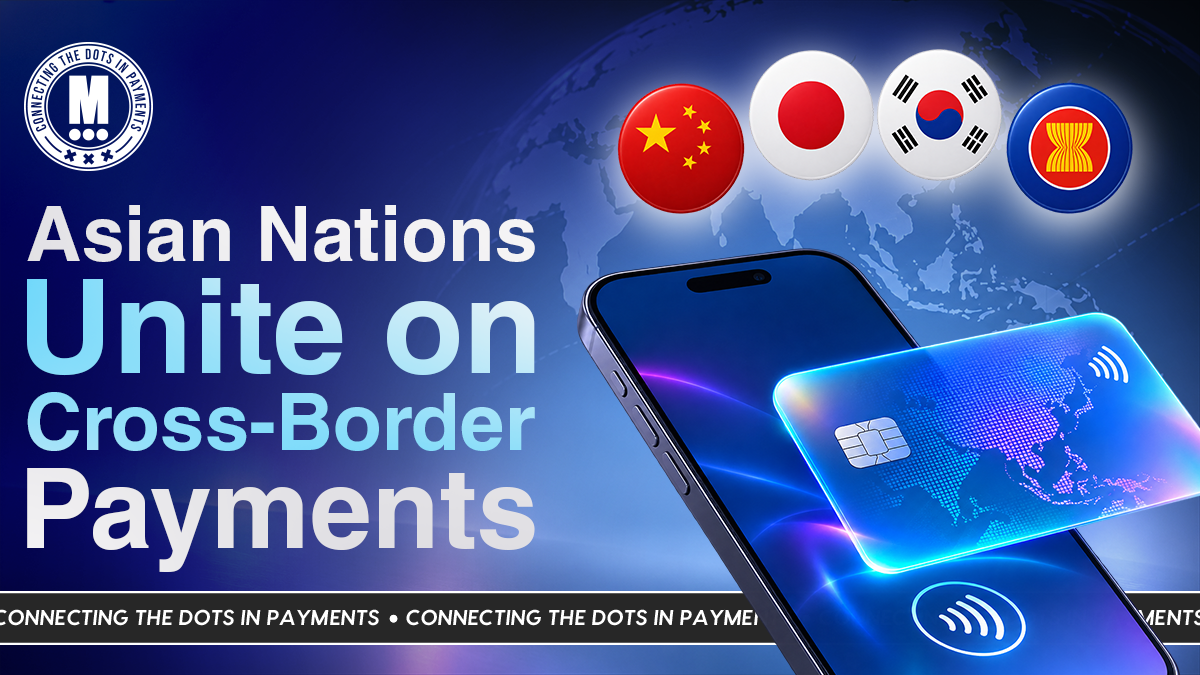
China, Japan, South Korea and Southeast Asia want their payment systems to talk to each other.
At a meeting in Kyoto on Thursday, deputies of the finance ministers and central bank governors of the ASEAN+3 group agreed to find ways to better connect their payment systems. They also want to align how they regulate digital assets across borders.
To get there, they're setting up a dedicated working group. Their ministers and governors will be briefed at their next meeting, in Nagoya in May 2027.
So this is the start of talks, not a new network. No systems were named, and no timeline was given.
Last week, I wrote about Alipay+ connecting to Pix, so travellers can pay with their own wallets in Brazil. That's how much of cross-border payments grows today: one link at a time.
I'd put the spotlight on the second half of the Kyoto agreement. Connecting systems is mostly an engineering job. Agreeing on how digital assets are regulated across the region is often the harder part, and it's now on the table.
Do you think Asia gets to connected payments faster through government talks like these, or through private links like Alipay+?
In the meantime, here's what else is happening in payments today👇
See you on Monday!
Cheers,
Q&A
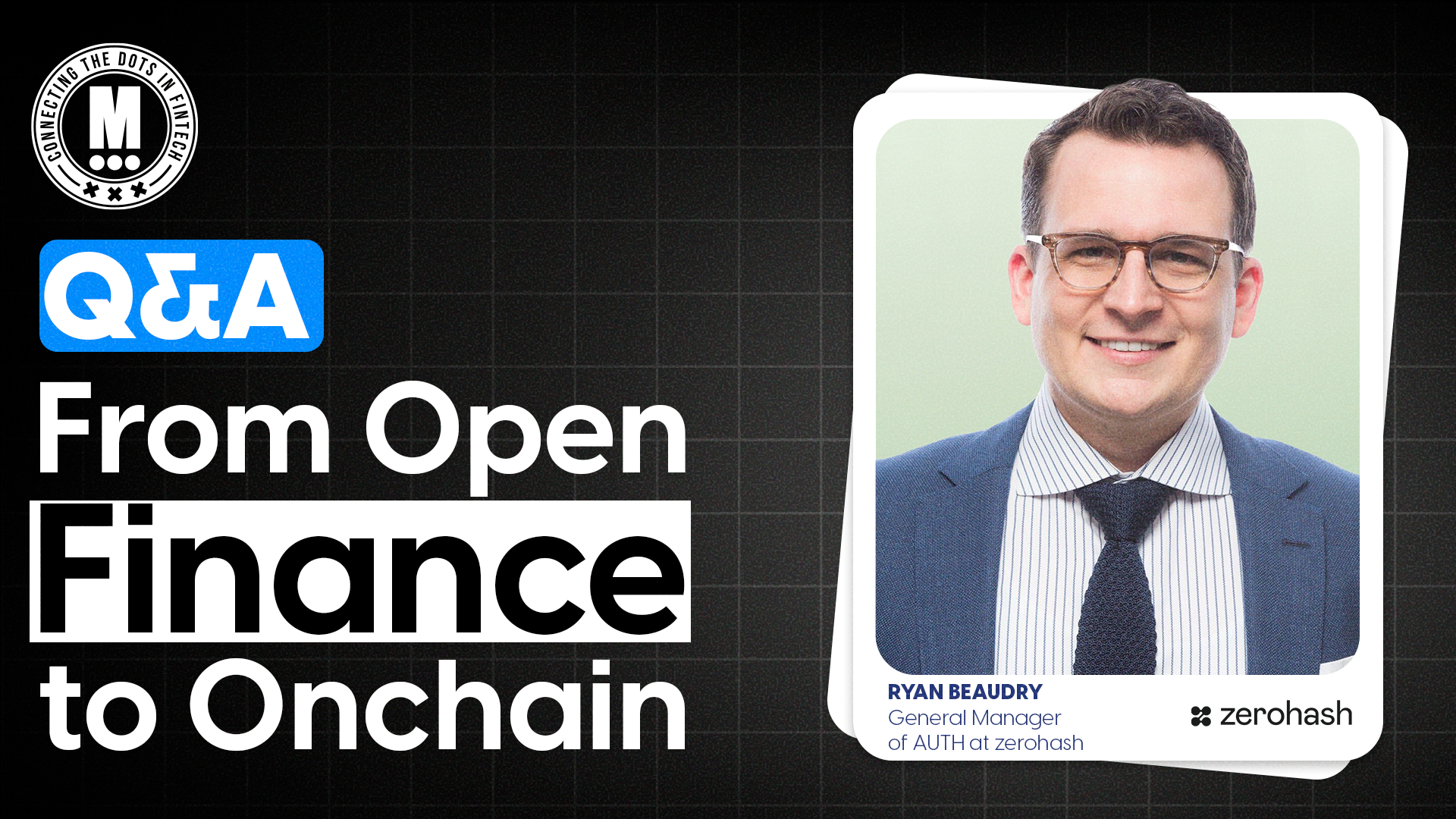
💡 From Open Finance to Onchain with Ryan Beaudry of zerohash. In this Q&A, Ryan Beaudry, General Manager of AUTH at zerohash, discusses the shift from open finance to onchain infrastructure, why stablecoins are increasingly viewed as payment rails rather than a separate crypto initiative, and how AUTH simplifies onchain transfers without users needing to manage wallet addresses or networks. He also shares his views on institutional trust, regulatory requirements, tokenization, and why the real challenge of embedding digital assets lies in infrastructure, liquidity, settlement, and risk controls, not just the front-end experience. Read the full Q&A here.
NEWS
🇯🇴 Mastercard and MEPS bring Mastercard Move transfers to Jordan. Banks, payment providers, exchange houses and wallets on the MEPS network can offer near-real-time domestic and cross-border transfers. Wallet top-ups are live, with remittances and loan repayments to follow.
🇵🇭 Atome and Mastercard launch an in-app gaming top-up store in the Philippines. Atome Gamer Exchange lets the buy now, pay later app's nearly four million cardholders buy game credits with the Atome Card for titles such as Mobile Legends and PUBG Mobile.
🇰🇿 Bank Freedom and Mastercard launch the World Legend card in Kazakhstan. The premium card for Freedom Priority clients, which the partners call the first in Central Asia, offers free transfers up to KZT5M, unlimited LoungeKey lounge access and Mastercard Collection benefits.
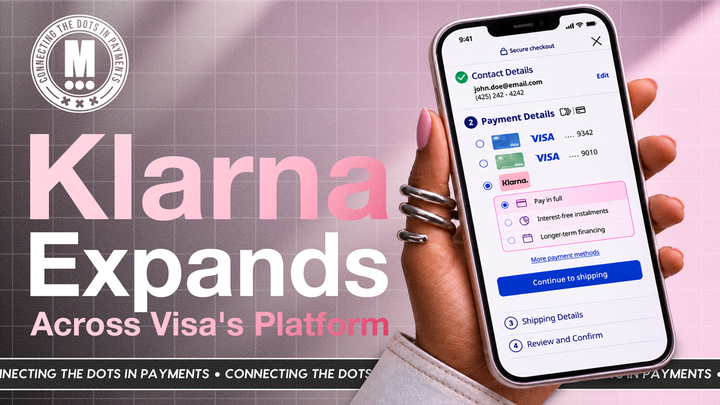
🇮🇹 Everli adds Klarna payments and cashback to grocery delivery in Italy. Customers can pay in full or in interest-free instalments and earn up to 1.5% cashback on every order, in the app and online. Klarna has nearly 10 million consumers in Italy.
🇬🇧 Klarna goes live at UK kitchenware retailer Lakeland ahead of Black Friday. Shoppers on Lakeland website can pay in full, in three interest-free instalments or later across cookware, electricals and cleaning products. Lakeland, founded in Windermere in 1964, has 57 UK stores.
🇧🇷 Pomelo enters Brazil's meal and food benefits card market. The card infrastructure company offers benefit operators a cloud platform to issue and process benefit cards, with separate balances and spending rules for each category. Brazil's benefits market is worth about R$170B a year.
🇨🇱 Pomelo replaces SMS codes with biometric approval for online card payments in Chile. Cardholders approve purchases with a fingerprint or Face ID in their issuer's app, through out-of-band authentication in Pomelo's 3D Secure module. The feature is available now in Chile.
🌏 ASEAN, China, Japan and South Korea form a working group on cross-border payments. Finance and central bank deputies meeting in Kyoto agreed to look for ways to connect payment systems and align rules for digital assets. Details go to ministers and governors in Nagoya in May 2027.
🇩🇪 Unzer launches Tap to Pay for Android smartphones in Germany. Merchants can accept contactless card and wallet payments through the Unzer app without extra hardware. Combined with Unzer's POS software, one phone can work as both a payment terminal and a cash register.
🇮🇹 Fabrick launches a shared platform to prepare banks for the digital euro. Digital Euro Rail One manages common integration components centrally, so banks and FinTechs need not build their own. The Italian firm offers it as software as a service while the digital euro's final rules are still being set.
🇮🇪 SumUp's Irish arm posts a 25% profit fall despite rising revenue. The payments company's Irish subsidiary grew revenue by 20% in 2025, while higher operating costs weighed on profitability, Business Post reports.
🌐 BNB Chain unveils plans for a new layer-1 blockchain for trading and payments. The litepaper targets more than 100,000 transactions per second and 200-millisecond blocks, with lanes for payments and AI agents. Public testing is planned for Q1 2027 and mainnet for H2 2027.
🇪🇺 Visa and NBX plan a card that pays from fiat or stablecoin balances. Built with Tieto Banktech and IDT Finance on Visa Flexible Credential, the NBX Visa Flex Card is expected in 2027, first in Norway, Sweden, Denmark, Finland and Germany.
🇦🇺 BitGo provides custodial wallets for Australian payments platform Liquid. BitGo Bank & Trust will hold assets in custody for eligible Liquid users, who move money across bank rails, stablecoins and bitcoin. BitGo does not run Liquid's payment services.
🇨🇴 Grupo Cibest wins competition approval to acquire Colombian payments network PTM. The Superintendence of Industry and Commerce cleared the Bancolombia parent's purchase of Comercial Card, which runs PTM's 20,000+ service points in over 1,000 municipalities. PTM will remain independent.
🇨🇳 Lianlian DigiTech launches XCard, letting AI agents pay within preset limits. Built on Visa Intelligent Commerce Connect, the business card uses single-use tokens so agents never see card numbers. It supports more than 140 currencies and uses such as AI tools, ads and software subscriptions.
🇵🇱 paymove lets AI agents place orders and pay with BLIK in Poland. Users confirm each payment in their banking app without leaving the chat, and the AI has no access to funds. The service is live at more than 2,000 locations, including Gdańsk airport.
INSIGHTS
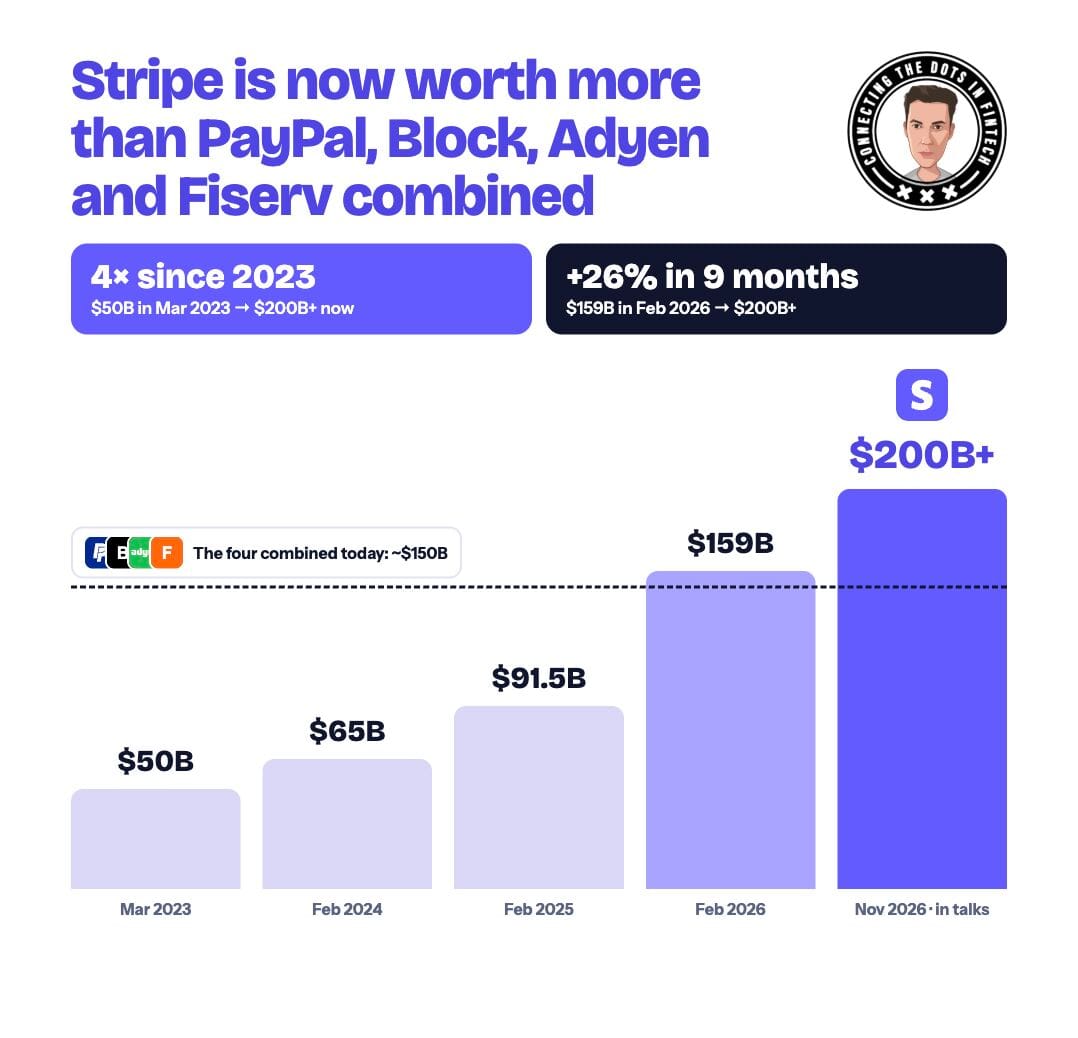
💡 Stripe Surpasses PayPal, Block, Adyen and Fiserv Combined. Stripe's reported valuation is now heading toward $200B+, more than the combined market value of PayPal, Block, Adyen and Fiserv, estimated at around $150B in the visual. That would mark a fourfold increase from Stripe's $50B valuation in March 2023 and a roughly 26% jump from $159B in February 2026. If the reported funding discussions materialize, it would be another striking milestone in Stripe's growth and the market's valuation of private payments infrastructure companies.
Trusted reach among senior decision-makers in FinTech, Payments & Banking.
👉 Explore Partnership here


Comments ()