

Stripe Is Betting on Staying Private

Hey Payment Fanatic!
Stripe doesn’t seem to be in any rush to go public. In a new investor letter, the Collison brothers say staying private gives the company more flexibility as AI reshapes the industry.
And they’re using that flexibility. Stripe just made its largest-ever acquisition with OpenRouter, reportedly for $7.5 billion, adding to its growing push into AI, stablecoins, wallets and financial infrastructure beyond core payments.
The bigger question now is how far Stripe can expand while staying private.
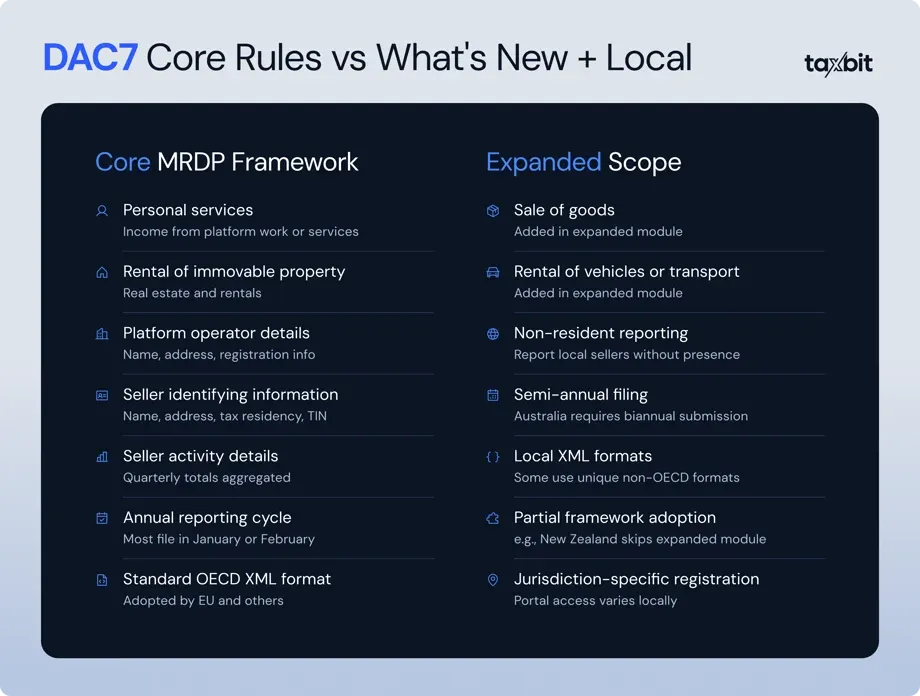
On the compliance side, Taxbit breaks down what marketplaces need to know about DAC7 — and why getting seller data right throughout the year matters more than scrambling at filing season.
Let’s get into today’s Payments stories. 👇 See you tomorrow!
Cheers,
INSIGHTS
📰 Taxbit: DAC7 Reporting: What Marketplaces Need to Know. Taxbit breaks down which platforms and activities fall within scope under DAC7 and the OECD's Model Reporting Rules, how requirements diverge by jurisdiction even among countries using the standard XML format, and why marketplaces should build seller data collection into the year rather than scrambling at filing season. Read the full article here
NEWS
🇺🇾 dLocal launches dMoRe, a Merchant of Record solution for global businesses entering emerging markets. Starting with Gaming and SaaS, the platform cuts market entry timelines to as few as 8 weeks.
🇺🇸 Block's Neighborhoods adds 30,000 more sellers, scaling its local commerce network nearly 10x since June. Top sellers on the platform see 110% more transactions from followers.
🇺🇸 Stripe tips toward staying private, with co-founders citing a growing advantage in navigating AI shifts without public market pressure. The letter came the same day Stripe announced its largest-ever acquisition of OpenRouter.
🇺🇸 Priority Technology Holdings reports a material event via an 8-K filing with the SEC. The Alpharetta-based payments company disclosed the update on August 25. Read more
🇲🇾 Razorpay's Curlec launches DuitNow Pay for Malaysian merchants, enabling real-time account-to-account payments via Malaysia's national QR and online banking rails. The solution lets merchants accept DuitNow payments through a single integration.
🇨🇱 Kushki expands in Chile with a white-label POS launch, offering acquirers and retailers a branded point-of-sale solution. The move extends Kushki's payments infrastructure deeper into the Chilean market.
🇬🇧 Revolut to launch EURR stablecoin in push to expand crypto payments. Bridge, owned by Stripe, will issue EURR and hold its reserve assets. The token rolls out initially in Denmark, Poland and Portugal, with EEA expansion planned later this year.
🌍 Onafriq integrates Circle's USDC across 40+ African markets, adding regulated stablecoin settlement alongside its existing fiat rails. The integration reduced implementation time from six months to four to six weeks.
🇰🇷 Anytap launches a USDT-loaded Visa card targeting Asia, starting with South Korea, Japan, and Indonesia. The card lets holders spend stablecoin balances at Visa merchants. Read more
🇺🇸 Paysafe launches a Merchant of Record solution with FastSpring, combining payment processing and full merchant services for software and digital goods businesses. The partnership gives FastSpring clients access to Paysafe's global payment infrastructure, streamlining tax, compliance, and checkout across markets.
🇨🇭 Taurus enables financial institutions to connect to Swift's blockchain-based shared ledger. The integration bridges traditional finance infrastructure with distributed ledger technology.
🇺🇸 Bluefin collaborates with Visa to deliver unified card-present acceptance through Visa Acceptance Solutions. The partnership aims to streamline in-store payment processing for merchants. Read more
🇵🇭 AsiaPay and PGA Insurance forge a partnership to enhance digital payment acceptance for policyholders in the Philippines. The integration connects PGA's booking engine with AsiaPay's PesoPay gateway for cards, e-wallets, and installments.
🇧🇭 FOO and Benefit advance BenefitPay to strengthen Bahrain's digital financial infrastructure. The partnership enhances the BenefitPay platform with new digital payment capabilities. It aims to support Bahrain's cashless economy goals through expanded services.
🇰🇷 Shinhan Financial and Visa sign a strategic MOU to jointly test stablecoin issuance, remittance, and redemption. The partners plan to design a Korea-specific business model using Visa's stablecoin platform.
🇺🇸 Sweetwater goes live with Gr4vy, integrating the payment orchestration platform into its e-commerce operations. Gr4vy's cloud-native infrastructure gives Sweetwater flexible routing and payment management across its checkout stack.
🇫🇮 Basware signs an agreement to acquire Trustpair, the payment fraud prevention platform. The acquisition strengthens Basware's accounts payable offering with vendor verification capabilities. Read more
GOLDEN NUGGET
🚨 𝐖𝐡𝐚𝐭 𝐢𝐬 𝐢𝐧𝐭𝐞𝐫𝐜𝐡𝐚𝐧𝐠𝐞, 𝐚𝐧𝐝 𝐰𝐡𝐚𝐭 𝐟𝐚𝐜𝐭𝐨𝐫𝐬 𝐝𝐞𝐭𝐞𝐫𝐦𝐢𝐧𝐞 𝐭𝐡𝐞 𝐫𝐚𝐭𝐞 𝐲𝐨𝐮 𝐚𝐜𝐭𝐮𝐚𝐥𝐥𝐲 𝐩𝐚𝐲? Created by Arthur Bedel 💳 ♻️
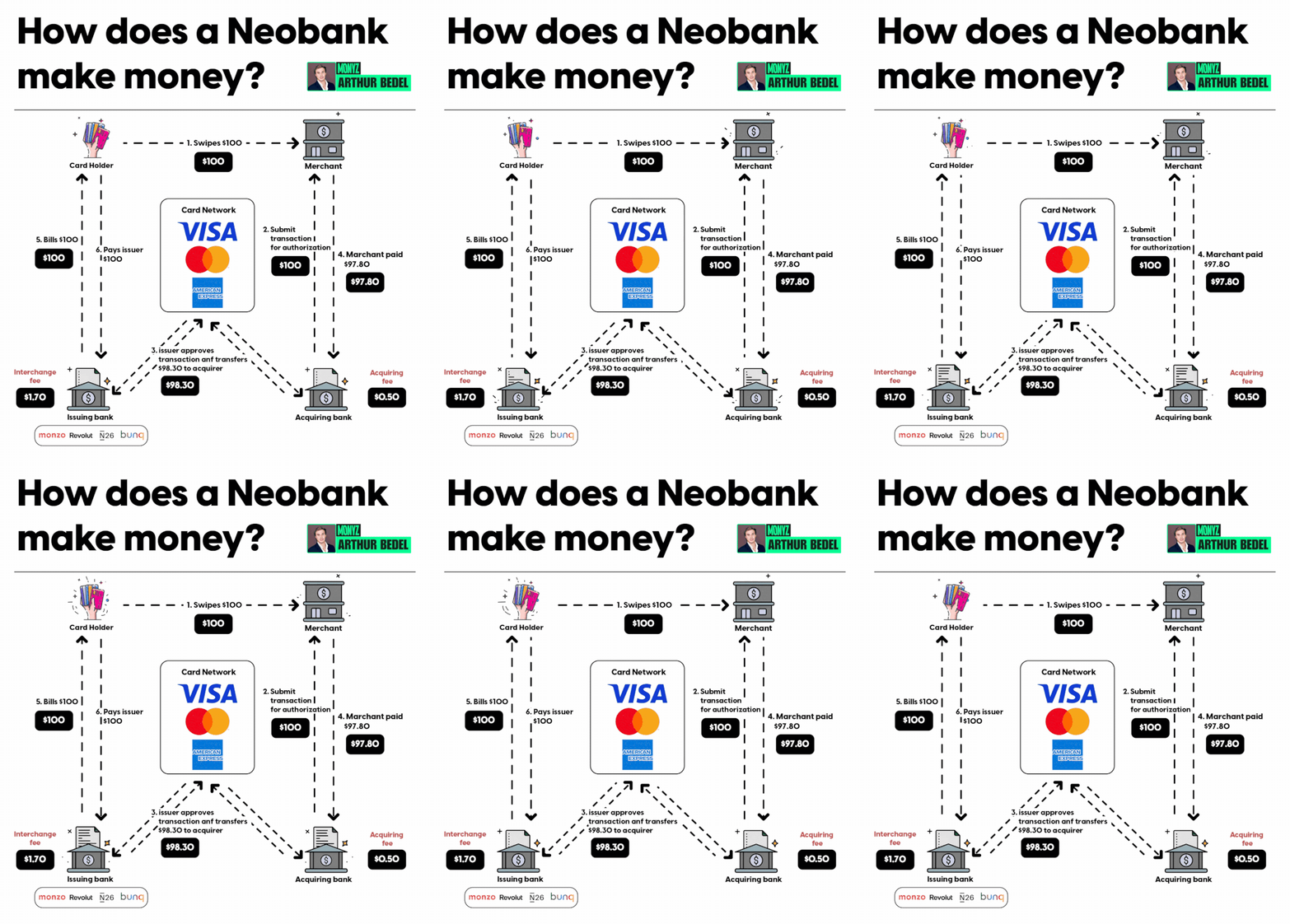
When a user swipes a card issued by a neobank, $1.70 in interchange goes to the issuing bank and the card network. $0.50 in acquiring fees goes to the acquiring bank. That split happens on every single transaction.
But interchange rates are not fixed. Eight variables determine what rate applies:
→ Credit vs debit: credit interchange is significantly higher than debit.
→ Rewards programs: premium cashback and travel rewards are funded through higher interchange.
→ Online vs offline: card-not-present transactions carry higher rates due to fraud risk.
→ Consumer vs commercial: business and corporate cards attract higher rates than consumer cards.
→ Merchant Category Code: a supermarket, a gas station and a luxury retailer are not billed the same rate.
→ Card network: Visa and Mastercard are known for lower rates. American Express charges higher.
→ Network partner programs: VPP and MPP give select retailers rates far below published schedules.
→ Issuing bank size (US only): the Durbin Amendment caps debit interchange for large banks. Smaller banks are exempt, which is why fintechs and embedded finance players systematically partner with community banks to maximize interchange revenue.
That last point is the one most people in the industry miss.
The Durbin exemption is not a technicality, it is a structural revenue advantage that shapes how the entire embedded finance ecosystem is built in the US.
Trusted reach among senior decision-makers in FinTech, Payments & Banking.
👉 Explore Partnership here



Comments ()